Author: Charlotte Wilkes

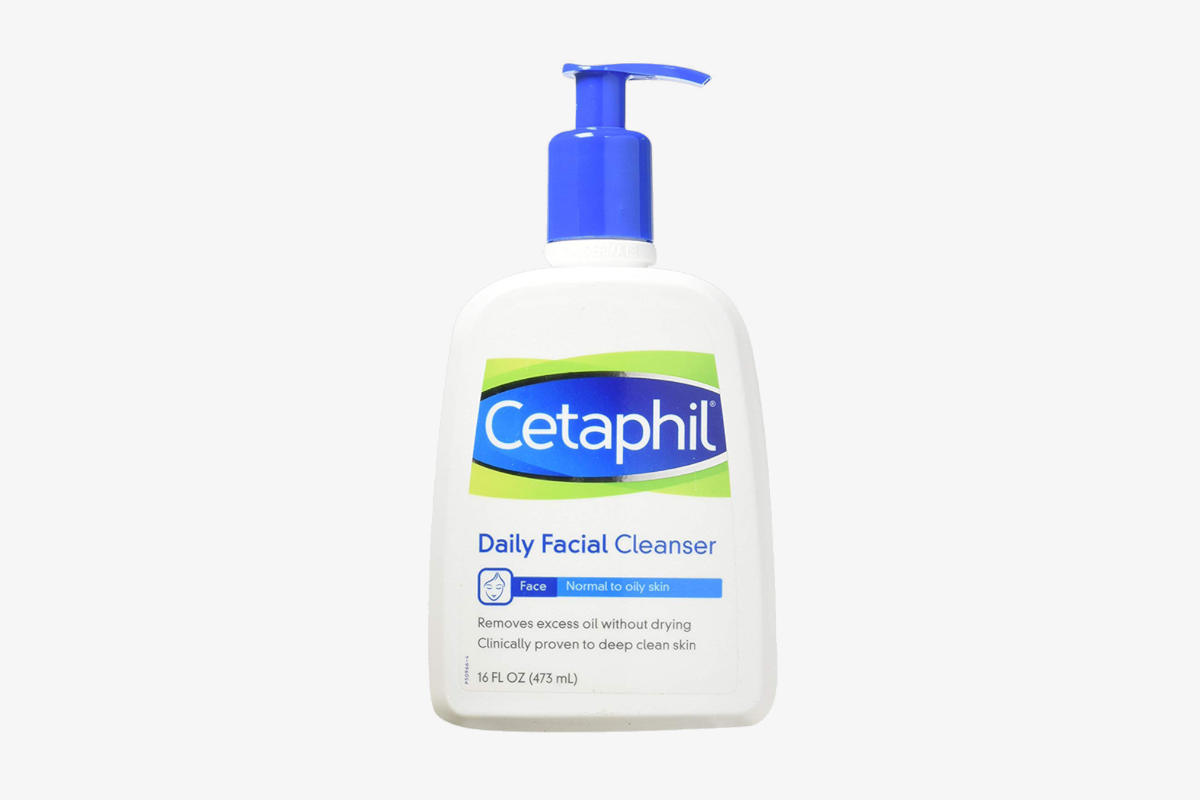
  • Review of Cetaphil Daily Facial Cleanser

    Review of Cetaphil Daily Facial Cleanser

    When my oily skin started to feel tight after cleansing, I knew it was time to upgrade. Would Cetaphil’s iconic facial cleanser live up to the hype during a six-month trial?

    Why do dermatologists always recommend Cetaphil Daily Facial Cleanser? 

    Dermatologists love Cetaphil because it is gentle enough for even the most sensitive skin.

    It only contains eight ingredients (the fewer the ingredients, the less chance of irritation) and no fragrance (the most common cause of irritation).

    I am impressed – such a minimalist approach takes confidence.

    What is a harsh detergent doing in a cleanser for sensitive skin?

    So why does it contain sodium lauryl sulphate, a harsh detergent and known irritant? Wouldn’t it dry out sensitive skin?
    In the short term, no. A nourishing emollient cleverly buffers the skin from the detergent, and humectants attract moisture to the skin. I don’t know anyone who has ever reacted to it.

    Does it deserve its reputation?

    Maybe some dermatologists recommend Cetaphil because they are in the pockets of multinationals, but it was seen as a truly revolutionary alternative to soap when it was launched.

    Foam. Yes, it does foam slightly, but it is still gentle because of the buffering.

    Parabens. Despite the furore, there is very little conclusive evidence against parabens. However, from a marketing point of view, Cetaphil should probably consider replacing them.

    Alcohol. Not all alcohols are drying. Cetaphil uses a high concentration of the humectant cetyl alcohol, not the drying, irritating type of alcohol.

    Read More:

    Our skin is not pH balanced!

    Science has moved on however, and Cetaphil is starting to look dated.

    A quick science lesson:

    pH blance7
    acidicunder 7
    alkalineover 7

    Alkaline cleansers (like soap) disrupt the acidic barrier of our skin.
    If a new client has red, sensitive and spotty skin, I usually find that her cleanser is too alkaline. They dissolve lipids from the skin’s barrier, so moisture escapes and the skin dries out.
    We need those precious lipids to give our skin a glow, especially after 35.
    Cetaphil is pH balanced (6.3 – 6.8) and inspired a whole generation of pH balanced cleansers. But our skin is not pH balanced – it is slightly acidic (4.5 to 5.5).
    So long-term use of pH balanced cleansers will damage your skin’s barrier and lead to premature ageing.

    Conclusion: ironically Cetaphil doesn’t cleanse very well.

    Rating: 2/5

    It doesn’t remove all makeup and sunscreen, so I used it as a second cleanser. (Ironically, the protective buffer prevented it from cleansing thoroughly and left a residue on my skin).
    Its simplicity is also its downfall: it doesn’t contain any proactive ingredients. It’s time for Cetaphil to upgrade – I’m surprised that they haven’t already.

  • Top 10 Anti-aging eye tips

    Top 10 Anti-aging eye tips

    1. Stop overplucking your eyebrows!

    Most of my clients over-plucked in the 60s and prematurely lost the arch of their eyebrows. Brows are a minefield: too heavy, and they can emphasise dark circles; too long, and they can drag the face down. Best to go to a professional.

    2. My eyelashes love a perm

    Unfortunately, our eyelashes flatten and shorten with age. Lash perming makes my eyes look wider and is more effective than using metal eyelash curlers (which always seem to drop after a couple of hours).

    3. Stop using so much eye cream!

    The skin around the eye is prone to crepiness because it doesn’t have enough oil glands to lock in precious moisture. But go slow: thin eyelid skin absorbs eye cream almost too quickly and can cause puffiness and even sagging; heavier mineral oil-based eye creams can cause milia.

    Read more

    4. Dark circles: are you getting enough sleep?

    Our micro-circulation slows down when we’re tired: blood collects in the tiny vessels under the eyes, which shows even more through thin, pale skin. Unfortunately, dark circles worsen with age because the top of the cheekbone drops and creates a hollow.
    No eye cream in the world can change your bone structure, but I recommend a retinol-based eye cream to stimulate collagen and thicken the skin.

    5. Puffiness: say no to salt and takeaways

    Blame dehydration for puffiness so cut down on coffee, alcohol, and salt. Try sleeping on an extra pillow so gravity can help drain any water trapped in fat pads around the eyes.
    Another trick: wait half an hour after putting on eye cream before going to bed; if you lie down flat straight away, it can travel into the eye area and cause puffiness.

    Read More:

    6. Bin your aviator sunglasses

    Clients don’t realise that they can (and should) apply sunscreen all over their lids, right up to the lashes – a good quality one won’t cause puffiness or stinging. 

    Choose wide sunglasses to shield as much of the delicate eye area as possible and avoid metal frames that will reflect UVA rays onto the top of the cheekbones and cause sunspots. UVA rays thin the skin, making dark circles even more obvious and fading eye colour, especially blue eyes.

    7. Only surgery will get rid of eye bags

    From about thirty, ligaments around the eyes weaken, and the skin starts to sag. Ignore marketing claims – no eye cream can get rid of these eyebags. 

    8. Limit your screen time

    The longer you spend staring at your computer, the more chance you’ll develop squint lines. I know that you are busy but visit an optician regularly. My most high maintenance client is constantly squinting because she is too vain to get glasses.

    9. Highlighter settling in fine lines under the eye?

    Mix your highlighter with an eye gel/serum (not a rich eye cream) to stop it from drying out and settling into fine dehydration lines.

    10. Only Botox can prevent crow’s feet

    Eye creams can keep the delicate eye area hydrated, so lines don’t show as much, but won’t prevent them. Sorry.