Author: Charlotte Wilkes

  • Top 10 Anti-aging eye tips

    Top 10 Anti-aging eye tips

    1. Stop overplucking your eyebrows!

    Most of my clients over-plucked in the 60s and prematurely lost the arch of their eyebrows. Brows are a minefield: too heavy, and they can emphasise dark circles; too long, and they can drag the face down. Best to go to a professional.

    2. My eyelashes love a perm

    Unfortunately, our eyelashes flatten and shorten with age. Lash perming makes my eyes look wider and is more effective than using metal eyelash curlers (which always seem to drop after a couple of hours).

    3. Stop using so much eye cream!

    The skin around the eye is prone to crepiness because it doesn’t have enough oil glands to lock in precious moisture. But go slow: thin eyelid skin absorbs eye cream almost too quickly and can cause puffiness and even sagging; heavier mineral oil-based eye creams can cause milia.

    Read more

    4. Dark circles: are you getting enough sleep?

    Our micro-circulation slows down when we’re tired: blood collects in the tiny vessels under the eyes, which shows even more through thin, pale skin. Unfortunately, dark circles worsen with age because the top of the cheekbone drops and creates a hollow.
    No eye cream in the world can change your bone structure, but I recommend a retinol-based eye cream to stimulate collagen and thicken the skin.

    5. Puffiness: say no to salt and takeaways

    Blame dehydration for puffiness so cut down on coffee, alcohol, and salt. Try sleeping on an extra pillow so gravity can help drain any water trapped in fat pads around the eyes.
    Another trick: wait half an hour after putting on eye cream before going to bed; if you lie down flat straight away, it can travel into the eye area and cause puffiness.

    Read More:

    6. Bin your aviator sunglasses

    Clients don’t realise that they can (and should) apply sunscreen all over their lids, right up to the lashes – a good quality one won’t cause puffiness or stinging. 

    Choose wide sunglasses to shield as much of the delicate eye area as possible and avoid metal frames that will reflect UVA rays onto the top of the cheekbones and cause sunspots. UVA rays thin the skin, making dark circles even more obvious and fading eye colour, especially blue eyes.

    7. Only surgery will get rid of eye bags

    From about thirty, ligaments around the eyes weaken, and the skin starts to sag. Ignore marketing claims – no eye cream can get rid of these eyebags. 

    8. Limit your screen time

    The longer you spend staring at your computer, the more chance you’ll develop squint lines. I know that you are busy but visit an optician regularly. My most high maintenance client is constantly squinting because she is too vain to get glasses.

    9. Highlighter settling in fine lines under the eye?

    Mix your highlighter with an eye gel/serum (not a rich eye cream) to stop it from drying out and settling into fine dehydration lines.

    10. Only Botox can prevent crow’s feet

    Eye creams can keep the delicate eye area hydrated, so lines don’t show as much, but won’t prevent them. Sorry.

  • How I became a beauty writer

    How I became a beauty writer

    Why I became a beauty writer

    My obsession with skincare and medical aesthetics started at Liverpool University. A beauty therapist living opposite in my halls of residence introduced me to the anti-ageing power of UVA sunblock – I have worn it every day since. In fact, I believe that sun damage should be renamed ‘daylight damage.’

    As soon as I graduated, I trained as a beauty therapist to understand the skin better, and before long was working as a freelance beauty writer. I’ve trialled and reported on Botox, Profhilo, Sculptra and Radiesse, and this personal experience adds an essential dimension to my content.

    Why I love being a beauty writer

    I love talking to skin experts, and I have interviewed many dermatologists, cosmetic chemists and cosmetic surgeons, including Dr Uliana Gout, Dr Mervyn Patterson and Karen Sinclair Drake. My favourite interviewee was facialist Andy Millward, who is far ahead of his time regarding barrier repair.

    Working as a beauty content writer is a dream come true.

    I love specialising in facial aesthetics and cosmetic surgery

    I love specialising in facial aesthetics because I am writing from experience! Surgery is a big decision; clients must feel at ease and trust the information they read. They don’t just want facts – they want heart and soul.

    The future of skincare

    The future of skincare is bio-identical, anti-inflammatory ingredients that strengthen the skin barrier, not harsh acids. When I started my career as a freelance beauty writer, I focused on anti-ageing, but over time, my focus has shifted to skin health and preventing ‘inflammaging’.

    I’ve noticed that women are starting to realise the link between a Western diet and gut and skin inflammation – you can’t just slap on moisturiser and hope for the best. Inspired by Dr Perricone, I have been following an anti-inflammatory diet since the ‘90s and make sure my skincare is skin-identical to respect the microbiome. Thirty years later, people are finally starting to listen!

  • Are Barrier Repair Creams Worth the Hype?

    Are Barrier Repair Creams Worth the Hype?

    Overexfoliated your skin during lockdown? Not a problem– try one of the new barrier repair creams on the market. But do they really live up to the marketing hype?

    Instagram was full of posts from bored lockdowners who had exfoliated their poor skin into a bloody pulp and then turned to a barrier repair cream for help. According to skin expert Andy Millward, their skin would have returned to normal if they had just stepped away from the exfoliator. No need to spend a fortune on a fancy new barrier repair cream, then.

    Skin Expert Andy Millward: “Barrier Repair is a process, not a product.”

    When did we start taking our outer layer of skin for granted? Deep down we know the answer. We need to stop overprocessing our skin: overcleansing, overexfoliating and overloading it with active ingredients. Andy blames the increasing access to ingredients previously only available under clinical supervision:“Certainly the popularity of ‘buffet brands’ such as The Ordinary and The Inkey List has democratised skincare and we can now formulate our own high strength routine.”

    Perhaps this wouldn’t be a problem if we understood our skin. (We don’t). It seems we can’t be trusted with such strong ingredients and now our skin is paying the price. Good job for barrier creams, right?

    Not so fast. Andy explains that formulation is far more complex than just chucking in a ceramide or two. It’s not just about what you add, but what you take out: “Barrier repair is a process, not a product.  Just…adding ceramides into a product or D-Panthenol into a product that’s also got other barrier disruptors in there like emulsifiers, or fragrances.”

    Green Chemist Karen Sinclair Drake: Barrier Repair Creams vs Cold Creams.

    Karen Sinclair Drake, award winning green chemist and cofounder of DermOne Health and Wellness, agrees that we are overtreating our skin. She explained: “The beauty industry has created an epidemic of sick skin because they are not focusing on the cause, just focusing on the symptoms.” When our skin is healthy, it is perfectly capable of hydrating and exfoliating itself: “The skin is not a complicated organ, it just needs the perfect environment to function in a healthy way and when you give it that basic environment which is not spending 100s and 100s on all different products magic truly happens”.

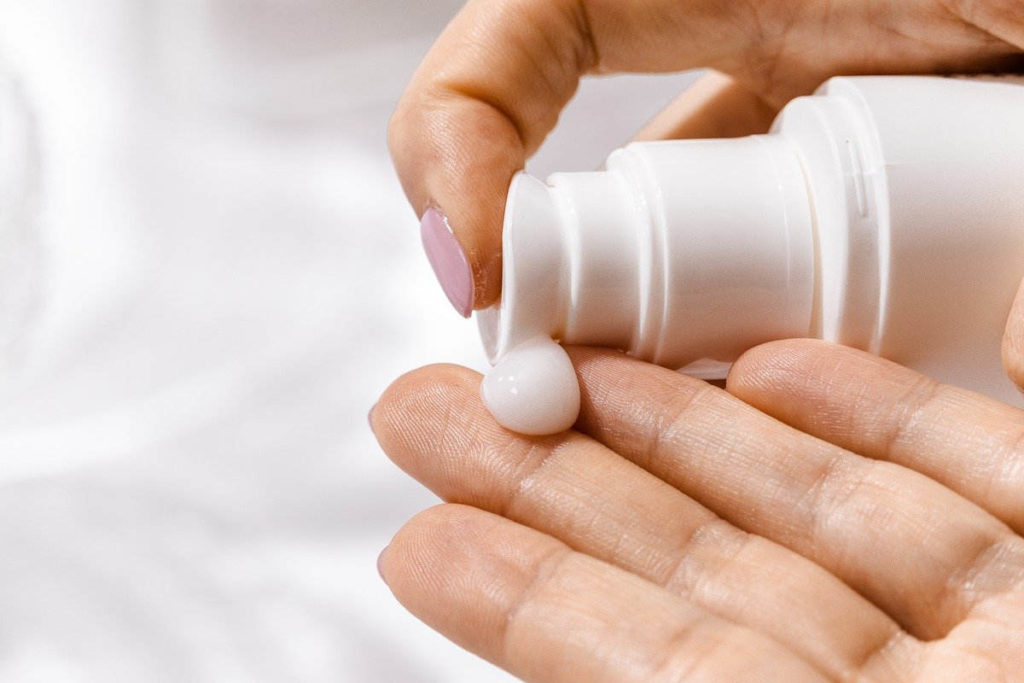
    Hand cream being pumped into hands
    Karen Sinclair Drake agrees that we are overtreating our skin

    So how do we keep our skin barrier healthy?

    Sinclair Drake explains that our skin barrier is strongest when it is slightly acidic (pH 4.7 to 5). Good bacteria, which protects the surface of the skin, is slightly acidic; bad bacteria, which causes inflammation, is alkaline. She notes that barrier creams do not always take this into consideration, and those with a higher pH will open the door to unwanted bacteria. “The moment that happens, it doesn’t matter what ingredients are present in the topical application, the bad bacteria will take over and the skin’s integrity will slowly break down.”

    Sinclair Drake disapproves of silicone-based barrier creams because they are just a quick fix – they can’t penetrate the skin and are just washed off at the end of the day. Organic, natural formulas containing cold pressed oils absorb far better into the upper layer of the skin where they can beef up the barrier function long term: “The closer to nature your skin can be, the more it will stay balanced.”

    Ironically, when our barrier is slightly acidic, our skin can hydrate itself so we don’t need to rely on a thick barrier cream. She added: “It actually helps enhance our skin’s own natural moisturizing factor. And again, that’s key when looking for a barrier cream so that means you don’t have to use the heavy types of cold cream style formula which quite frankly just smother the skin”

    Dr Mervyn Patterson: Ceramides vs Cholesterol

    Dr Mervyn Patterson, medical director of Woodford Medical, has also noticed the recent influx of barrier repair creams on the market, but has seen little proof to back them up. He explains that barrier repair depends on the correct ratio of key lipids. In young skin, the barrier is made up of equal amounts of three lipids: cholesterol, ceramides and fatty acids. (Lipids bind skin cells together and keep moisture in and irritants out). However, further research by the founder of Epionce skincare, Dr Carl Thornfeldt proved that a damaged barrier actually needs to be repaired by a ‘cholesterol dominant formula’ instead. These new wave of barrier repair creams proudly boast ‘ceramides’ all over their packaging, but no mention of cholesterol. Did they not get the memo?

    A young girl lying down
    In young skin, the barrier is made up of equal amounts of three lipids: cholesterol, ceramides and fatty acids.

    He also points out that an effective delivery system is crucially important otherwise these ingredients can’t reach the deeper layers of the epidermis so the skin can heal itself: “But it’s not enough to have the correct formulation of the 3 key lipids, there must be effective delivery mechanisms to make sure the precursor lipids are delivered deep into the base of the basal layer so that the young epidermal cells assimilate these lipids and convert them into the correct ratio as they ascend up to become the surface roof tiles.”

    The reality is that all moisturisers should contain barrier repair ingredients. We obsess over anti-aging, but the health of the barrier is far more important. They don’t give flashy results like anti-aging ones – they are defenders rather than attackers. But prevention is never as sexy as cure.

  • Review: Skinceuticals Phyto Corrective Gel

    Review: Skinceuticals Phyto Corrective Gel

    “A hydrating, soothing gel serum with botanical ingredients ideal to calm and hydrate skin while improving visual redness.”

    Skinceuticals

    Have you heard of Skinceuticals?

    Whilst I still trust Skinceuticals, the innovative scientist who founded the brand passed away in 2013.

    What is it?

    Cooling gel serum for sensitised skin.

    Water-based or oil-based?

    Water-based.

    Which skin types?

    All skin types. Perfect for sensitised or overstimulated skin.

    Read More:

    Key ingredients:

    Botanical ingredients to soothe inflammation: olive, thyme & cucumber

    Ingredients list 

    Main List

    1. Water
    2. Glycerine (humectant)
    3. Propylene Glycol (humectant)
    4. Emulsifier
    5. Preservative
    6. Preservative

    Ingredients under 1%

    • 7: Sodium Hyaluronate (humectant)
    • 11: Fragrance
    • 15: Cucumber extract (anti-inflammatory)
    • 16: Fragrance
    • 18: Thyme: irritant
    • 19: Eucalyptus (essential oil)
    • 23: Linalool (irritant)

    Emulsifiers?

    4th ingredient: Polysorbate 80 – I worry that emulsifiers can penetrate a damaged skin barrier and upset the lipid (oil) balance in the top layer of the skin.

    Skin-identical ingredients:

    • Glycerin (humectant)
    • Sodium Hyaluronate (humectant).

    Suitable for acne-prone skin?

    Ideal light moisturiser for oily/acne-prone skin. I didn’t break out!

    Irritants?

    • Thyme extract
    • Fragrance (benzyl benzoate)
    • Linalool

    Does it smell?

    Vaguely herbal.

    How does it feel? Absorption Rate?

    Light texture which absorbs quickly.

    How does it fit into your routine?

    Use under day or night cream.

    Pros & Cons

    ProsEffective calming serum.
    Alcohol-Free.
    ConsMorus Alba root extract (to brighten the skin) is the last ingredient.
    Irritants are low down the ingredients list, but why are they included in a serum for sensitised skin?

    Read more:

    My experience with Skinceuticals Phyto Corrective Gel

    I was heartbroken when I developed adult acne because I had been acne-free for almost a decade. Out of sheer frustration, I went a little crazy with the acid toners. As a beauty therapist, I should have known better.

    This lovely cooling gel serum (it might not be hydrating enough for everyone) calmed down my redness straight away. Although my skin is prone to dehydration because of tretinoin, this sank in quickly and hydrated my skin without blocking my pores. I only needed a small amount.

    Conclusion

    Although Skinceuticals Phyto Corrective Gel helped calm my skin, I am not sure it would repair the barrier long-term.

    I was gifted this product to try by Skinceuticals.

  • Cleansing Oil Review: Clinique Take the Day Off

    Cleansing Oil Review: Clinique Take the Day Off

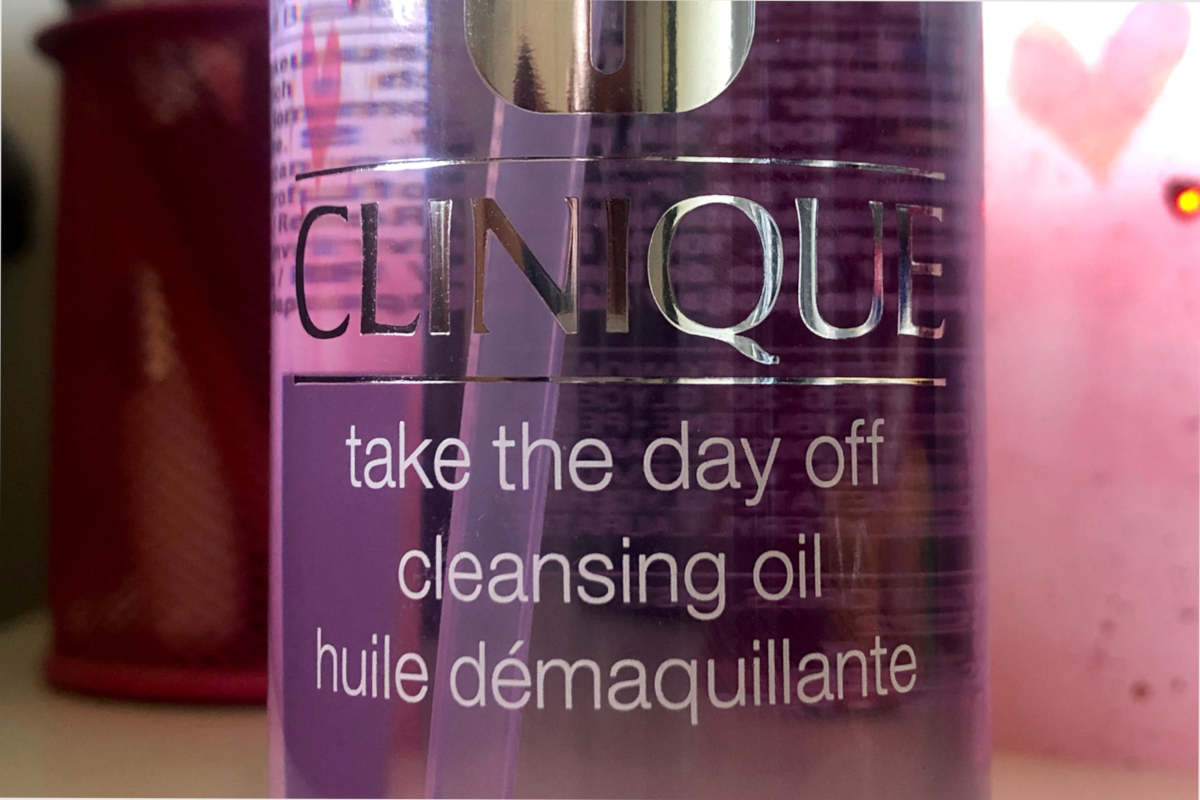
    Clinique Take The Day Off was the first cleansing oil I ever tried. I had always wrongly assumed that oils would break me out – but I was pleasantly surprised, and now I can’t imagine not using one.

    Claims

    “Immediately dissolves even tenacious face makeup, oil and impurities. Glides on, rinses off cleanly with water. Leaves no residue. For all skin types. Apply to dry face with fingertips and gently massage, rinse. Ophthalmologist tested.”

    Clinique

    Pros

    • Dissolves all make-up, sunscreen and eye make-up effectively.
    • The pH is no more than 6, according to my pH strip. I just wish Clinique would tell me the exact figure – it is not a state secret!
    • Non-comedogenic
    • Suitable for all skin types
    • Fragrance-free

    Cons

    • Cleansing oils leave behind beneficial fatty acids (lipids) on the skin to beef up the barrier, but this ironically contains no oil! 
    • Those with dry skin might prefer the balm version.

    What is a cleansing oil?

    • Makeup remover
    • Water-soluble cleanser, but feels oily
    • Contains emulsifiers so it can be rinsed off

    Read more:

    Who is a cleansing oil for?

    • Makeup wearers
    • Physical sunscreen lovers
    • All skin types, even those with very oily skin!

    How does it smell?

    No fragrance. Clinique realises that fragrance has no place in skincare. Take note, other brands.

    How does it feel?

    The texture is light and feels oily even though it doesn’t contain any oil. However, whenever I use the Medik8 cleansing oil, I can immediately tell the difference –  Clinique feels far more synthetic-based.

    How to use cleansing oil?

    First part of a double cleanse in the evening

    Massage into dry skin

    1. First, I place my hands all over my face for 30 seconds to let the oil dissolve the make-up. (I don’t like massage straight away because pollution particles are so sharp and can scratch the skin).
    2. Then I knuckle under the jawline and cheekbone to release toxins.
    3. Splash with water, it will turn into a milky emulsion.
    4. Massage, then rinse off.

    My experiences

    It effectively removed my powder and physical sunscreen without breaking me out and even removed mascara without any rubbing!

    Do you need to double cleanse when using a cleansing oil?

    Opinion is divided, however. Dr Sam Bunting believes that double cleansing is unnecessary, and it probably is if you wear a light foundation. But I have such an oily skin and walk to work along a polluted road every day, so I like to follow cleansing oils, even emulsifying ones, with a low pH facial wash. But the proof is in the pudding. I will have to try her cleanser.

    Does double cleansing damage the skin’s barrier?

    Chemist confessions were more flexible: ‘generally, it shouldn’t, but you need to listen to your skin. The 2nd step can be a great way to clean off excess oil and grime while minimising additional dryness and irritation. You don’t have to double cleanse every day, just when there are a few extra layers of sweat, sunscreen, makeup etc. So let’s find our balance!

    I always ask new clients if their skin feels tight after showering because water alone can dry out some skins, especially in a hard water area. In that case, I recommend they remove a cleansing oil with micellar water.

    Would I repurchase?

    Yes, I always have it as a standby, but I prefer an actual oil.

  • Micellar Water Review: Simple Micellar Water

    Micellar Water Review: Simple Micellar Water

    What is Micellar Water?

    Micellar water is a cleansing compromise: a 2-in-1 make-up remover and toner. My low maintenance clients love them because they don’t need to rinse them off.

    Who is Simple Micellar Water for?

    My teenage clients who are addicted to wipes.

    My sensitive skin clients who don’t like the feeling of water on their skin.

    My busy clients who are too knackered to take their make up off at night.

    When to use?

    Use as a make-up remover at night. Ideally, follow with an exfoliating AHA/BHA/PHA facial wash – but I am a realist.
    To be honest, I am just grateful that some of my lazier clients cleanse at all. I sometimes recommend it as a morning cleanser for those clients who don’t like the feeling of water on their skin.

    Ingredients

    • Glycerin: Micellar waters are a low-maintenance alternative if water leaves your skin feeling tight. The third ingredient is hydrating glycerin, which is a great start. However, I am not convinced by Simple’s claim that it ‘instantly boosts hydration by 90%’.
    • Niacinamide: 4th ingredient. Skin brightening, hydrating and helps control oil production. An excellent ingredient which won’t irritate the skin.
    • Chamomile extract: anti-inflammatory.
    • Panthenol: helps strengthen the skin barrier and is non-irritating.

    What’s not in it?

    • No artificial perfume
    • No colour/dye
    • No alcohol
    • No parabens

    The Science Bit

    Micellar waters have been popular in France for years so micelle technology is nothing new. Micelles are tiny molecules of oil suspended in water that dissolve make up and dirt.

    Pros

    • Gentle enough for sensitive skin.
    • Non-comedogenic – won’t block your pores.
    • No need to wash off so good if you live in a hard water area and find that water dries out your skin.
    • The pH is approximately 6. Our skin is between 4.5 and 5.5 so this is a little too alkaline, but there are far worse on the market.

    Cons

    • Whilst the gentle cleansing agents won’t irritate a sensitive skin, they won’t be able to remove physical sunscreen or long-lasting foundation. So not a very thorough cleanse.

    My Husband’s experience

    I buy this for my husband because it is cheap and he is too lazy to use a facial wash twice a day.

    My experience

    Simple claim that there is no need to rub in order to remove make-up, but endless cotton pads later and my sensitive skin looked a bit red.

    Conclusion

    Just like a 2-in-1 shampoo and conditioner, micellar waters are never my first choice. However, I will keep repurchasing it for my husband because he is too tight to buy his own!

    Read More:

  • Teoxane 3D Lip Review

    Teoxane 3D Lip Review

    Product description

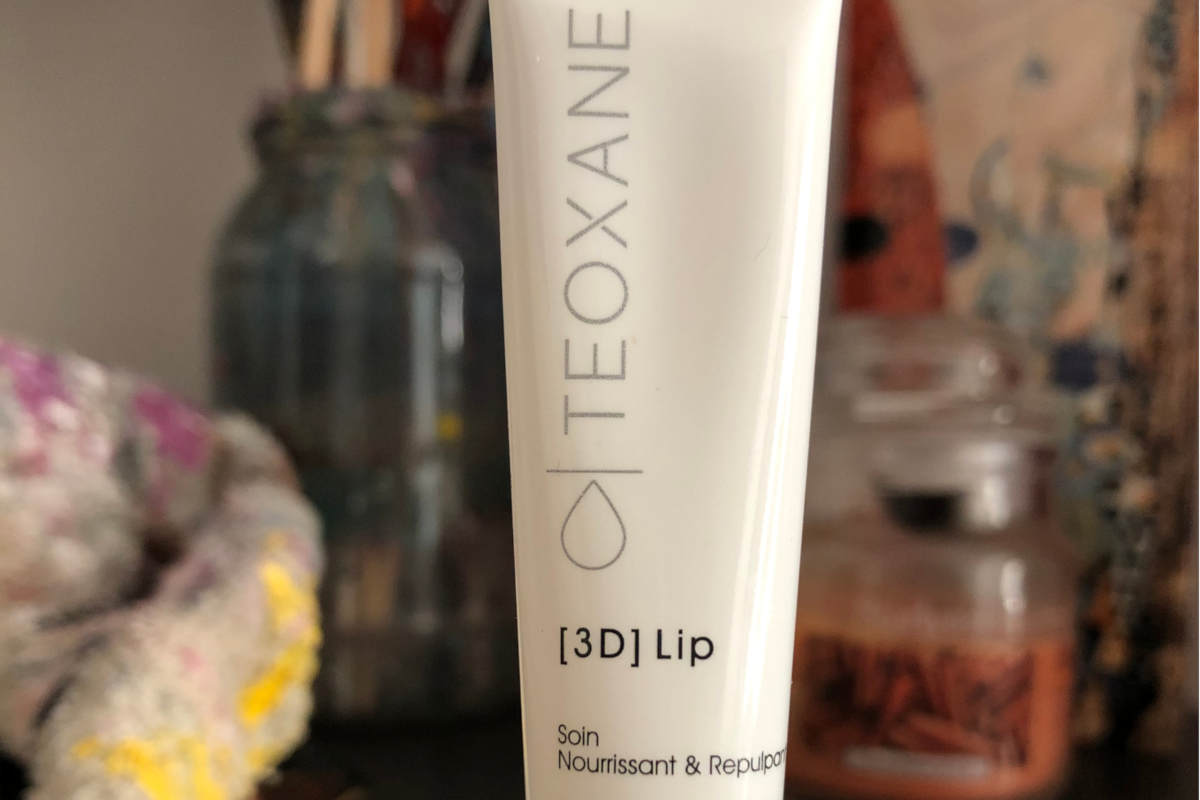
    “Formulated to plump, nourish and hydrate lips in-between clinic treatment, the 3D Lip contains microspheres of collagen and hyaluronic acid for instant hydration and long-lasting plumping.”

    Teoxane

    What is it?

    Teoxane 3D lip balm is specially designed to hydrate, nourish and plump lips between clinic treatments.

    How does it work?

    An overdose of hydration

    Do you know the brand Teoxane?

    Teoxane also makes hyaluronic acid fillers.

    Water-based or oil-based?

    Mineral oil-based.

    Which skin types?

    All skin types especially dry lips.

    Read more:

    Texture?

    Oil-gel texture.

    Main ingredients

    Shea butternourishing
    Ceramidesbarrier strengthening
    Hyaluronic acidinstant hydration

    Controversial ingredients

    Mineral oil is out of favour, but nothing really compares in terms of preventing water loss. It’s invaluable for a very dry or thin skin which can’t hold onto moisture, like your lips.

    How does it smell?

    No discernible smell because the fragrance is very low down on the ingredients list.

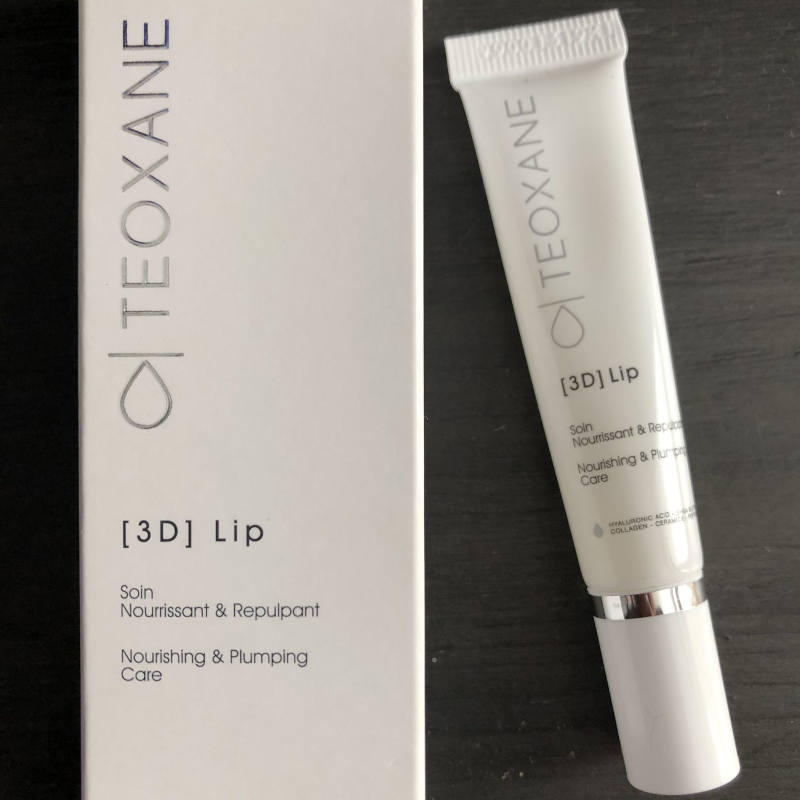
    A tube of Teoxane 3D Lip next to its box

    How does it feel? Absorption Rate?

    Surprisingly light.

    How to use it? Where to use it in your routine?

    Use a lip balm whenever your lips get wet: after showering, cleaning your teeth, or drinking.

    How long before you see results?

    Immediately.

    Pros:

    Excellent ingredients kept my lips hydrated all day.

    Cons:

    Mineral oil can sometimes be too good at hydrating: lips become lazy and stop hydrating themselves.  No wonder people have to keep reapplying lip balm, like an addiction.

    Would I repurchase Teoxane 3D Lip?

    Definitely.

    Teoxane Clinical Studies

    22 volunteers used the product for 28 days and were monitored by an independent laboratory. 

    Hydration levels started to increase 30 minutes after the first application.

    Ingredients List: 

    • 1: Mineral oil
    • 5: Polyglycerides: oleic, linoleic, linolenic
    • 9: Beeswax
    • 10: Capric Triglycerides
    • 12: Shea butter
    • 13: Seed oil
    • 14: Hyaluronic Acid
    • 23: Ceramides

    Client experience: Jasmine

    I was suffering really badly from sore, dry lips which bleed. I tried a few popular lip products, including balms and creams, but nothing worked. I was recommended Teoxane Lip product, and it worked straight away. Not only is it a gel, so it soothed the soreness, but it also has a metallic tip that helped massage my lips. I now have perfectly smooth lips, and I use it all the time now! Although it seems slightly more expensive than most, a little goes a long way, and it’s definitely worth the purchase.”

    I was given no incentive to write this Teoxane 3D Lip Review – I bought the product myself.”

  • Skinceuticals Blemish + Age Defense Serum Review

    Skinceuticals Blemish + Age Defense Serum Review

    My 45-year old oily skin has started to dry up with age, but I still get a few annoying spots along my jawline and eyebrows. Adult acne is much more challenging to treat than teenage acne because the bumps are trapped deep under the skin’s surface and don’t respond to spot zappers like benzoyl peroxide, which works by drying out the surface. (Don’t even bother trying to squeeze adult acne!)

    If you have the same concerns, here’s my review of Skinceuticals Blemish + Age Defense Serum.

    Brand overview: Skinceuticals

    Skinceuticals are of my favourite brands because they are just so innovative. I wonder how often various competitors have copied their C E Ferulic Serum?

    Way ahead of their time in terms of sunscreens and antioxidants, Skinceuticals is one of the few brands that has created a high UVA sunscreen that feels cosmetically elegant instead of thick and sticky. I know because I have tried them all!

    Read more:

    What is Skinceuticals Blemish + Age Defense Serum?

    This serum kills two birds with one stone: it exfoliates dead skin blocking the pores and fades sunspots at the same time.

    Who is it for?

    Suitable for oily, blemish-prone, ageing skin suffering from the double whammy of adult acne and pigmentation.

    Texture?

    Liquid.

    How does it fit into my routine?

    I used it every evening after double cleansing and before a very hydrating night cream.

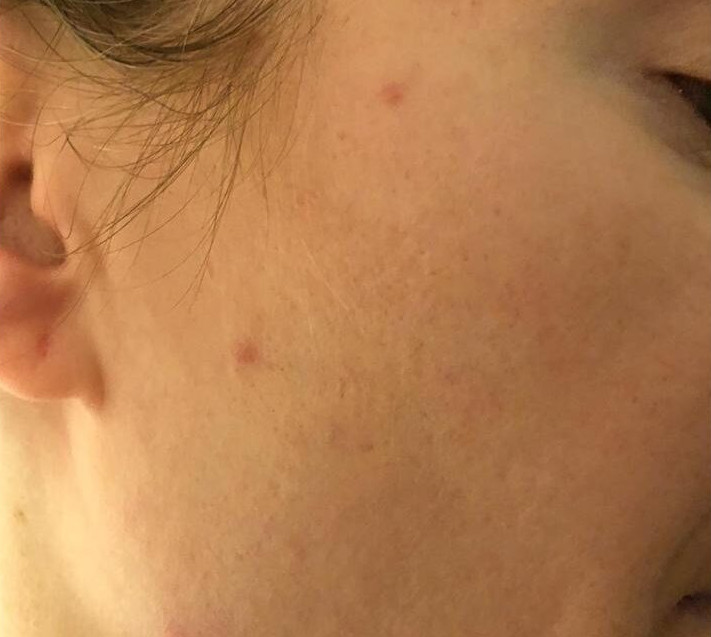
    Skin before using Skinceuticals Blemish + Age Defense Serum
    My skin before using Skinceuticals Blemish + Age Defense Serum

    How long before you see results?

    I used it for six weeks on the right hand side of my face only so that I could compare results – and I was pleasantly surprised to see a difference after only three weeks.

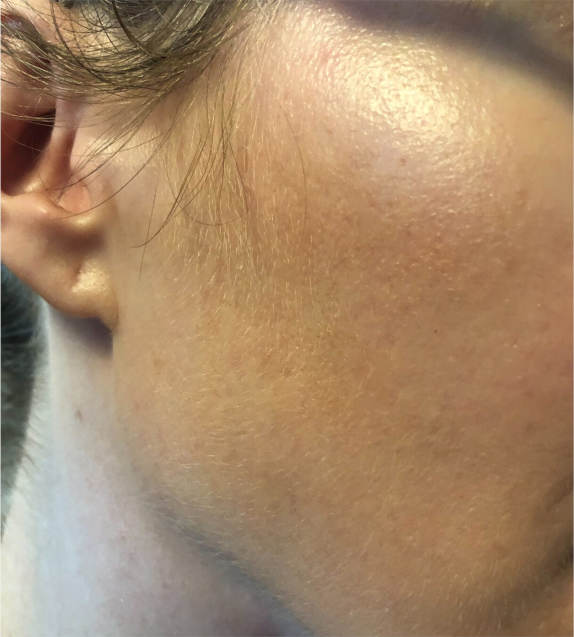
    After a tiny bit of purging on my nose and forehead, my skin is now a lot less bumpy than it has been in ages. My skin is more even-toned because it helped fade the red marks left after adult acne. Even colleagues commented that my skin looked smoother and less oily. 

    My skin is more even-toned because it helped fade the red marks left after adult acne. Even colleagues commented that my skin looked smoother and less oily. I personally did not find the high alcohol content drying, but I still wish that Skinceuticals would find a less drying alternative.

    Skin - six weeks after using Skinceuticals Blemish + Age Defense Serum
    My skin, 6 weeks after using Skin before using Skinceuticals Blemish + Age Defense Serum

    Read more:

    Pros

    As a beauty therapist, I love the selection of exfoliating acids in this serum – these are far more effective and gentle than grainy physical ones. Skinceuticals have formulated it at the right pH (3-4) for exfoliation.

    Cons

    The high amount of alcohol. Whilst it does help glycolic acid penetrate the skin more effectively, alcohol is just too drying, especially for sensitive skin.

    Active ingredients:

    3.5% Glycolic acid: hydrates and dissolves dead skin simultaneously. Penetrates more deeply than other Ahas, so very effective but not suitable for those with sensitive skin.

    2% Diodic acid: fatty acid and anti-inflammatory which fades pigmentation. Also, a beneficial cell-communicating ingredient. Although there is not much evidence relating to diodic acid, I trust Skinceuticals, but they need to do more research. I don’t know if it helps fade pigmentation because I have obsessively applied sunscreen since I was eighteen.

    1.5% Salicylic acid: a Bha which cuts through oil and clears out the pores. Can be irritating and drying, especially when mixed with alcohol – take note, Skinceuticals!

    0.3% LHA (lipo-hydroxy acid derived from salicylic acid). I think we will be hearing a lot more about LHAs, which are far more gentle than AHAs.

    Would I buy Skinceuticals Blemish + Age Defense Serum?

    Yes, definitely because of the outstanding results. However, I challenge Skinceuticals to find a more gentle alternative to alcohol.

  • Nine causes of adult acne

    Nine causes of adult acne

    Blame hormones for adult acne

    Apart from rosacea, the most common concern for my clients is adult acne. Blame hormones for those deep spots cropping up along the jawline and chin the week before your period: estrogen levels drop, leaving bad boy testosterone in charge. (Testosterone gets a kick out of stimulating your poor oil glands).

    No wonder dead skin cells get stuck in the oil and block the tiny, tight pores along the jawline. Don’t even bother trying to squeeze them!

    Adult skin marks more easily

    Although mature skin tends to be less oily with fewer blackheads than teenage skin, individual spots tend to be more angry and tender. 

    Cell renewal slows down with age, so the red post-spot ‘staining’ takes much longer to fade (also, the skin is more sensitive before a period, so it marks more readily). A vitamin C serum will help to fade them more quickly.

    Step away from teenage spot cream

    Most spot creams work by drying out the skin’s surface, which is fine on oily teenage skin but useless on adult acne, where the blockage is deeper down in the follicle.
    Doctors often prescribe Duac, which contains 5% benzoyl peroxide. This bacteria-killing ingredient, whilst effective, is very drying and can irritate thin, mature skin. (Teenage spot creams contain up to 10%). Remember that hormones, stress and diet are responsible for adult acne, not just bacteria. Only use Duac on problem areas and keep your skin well moisturised.
    A better option is Differin, a vitamin A derivative that unclogs the pores and has anti-ageing properties – killing two birds with one stone!

    Read More:

    Avoid harsh cleansers

    Both my teenage and adult acne clients make the mistake of over-washing their skin. Foaming, alkaline cleansers strip barrier-loving natural oils, leaving their skin dry, dull and inflamed; ironically, it produces more oil to compensate.
    Overwashing also disrupts the skin’s acidic microbiome, leaving your skin vulnerable to spot-causing bacteria. Try a low pH salicylic acid cleanser the week before your period to dissolve dead skin inside the pore.

    Is your skin dehydrated as well?

    I noticed that their skin was also dehydrated and out of balance. It was a vicious circle – teenage acne products dehydrated their skin; then the parched skin cells got stuck in the oil and clogged up the pores.

    Manage your adult acne with diet

    Stress, hormones, and diet stimulate the oil glands and inflame the skin. Thin your sticky sebum by following an anti-inflammatory diet: no meat, processed grains, alcohol, bad fats or sugar. The GI (Glycaemic Index) diet helped control my sugar cravings, which worsened before my period.

    A bowl of chickpeas
    Eating chickpeas can balance your hormones

    Avoid rich anti-aging creams

    When combination skin starts to dry out with age, many reach for rich anti-ageing creams, but these can block the pores.
    One client had very inconsistent skin with both oily and dry patches, which was prone to the odd spot. We solved the problem by layering two light hydrating products (a serum and day/night gel) rather than one thick anti-ageing one.

    Read more:

    Did you know that smoking blocks your pores?

    Not many people realise that smoking lowers testosterone levels. (The testosterone levels of one of my clients rose sky-high when he managed to quit smoking after fifteen years).

    A burnt down cigarette

    It seemed so unfair when he started to experience ‘quit zits’ when the body purges itself of toxins.
    I recommended drinking lots of water to speed up the process.

    Manage your stress levels

    Stress is almost as damaging for your skin as the sun – it stimulates the oil glands, inflaming your skin. So you have the perfect excuse to indulge in regular deep cleansing facials!
    You get to relax whilst your therapist keeps an eye on your skin.

  • Winter Skin: How to protect your skin over the winter

    Winter Skin: How to protect your skin over the winter

    As the temperature drops, my clients start complaining about red, sore ‘winter skin’.
    Central heating, cold, dry air, and biting winds leech moisture from our skin, making it vulnerable to dehydration and premature ageing.
    If your skin has also become tight or dull, it’s time to upgrade your protection from the elements.

    Winter skin needs gentle cleansing

    When my clients complain of post-cleansing tightness, it’s time to switch to a creamier facial wash or milk. I know it’s hard, but avoid steaming hot showers, which will dry out the skin on your face and body even more.

    Your winter skin is probably dehydrated, not dry

    If your skin feels tight, it is probably dehydrated rather than dry. (A dry skin lacks oil; dehydrated skin lacks moisture).
    Hydrated skin is full of moisture like a juicy grape, but this moisture evaporates over the winter; the middle layer shrivels like a raisin and the top layer flakes off.

    All skin types are prone to this winter dehydration, even oily ones.

    Read More

    Protect during the day; repair at night

    My clients are so concerned with anti-aging that they underestimate the damage caused by winter dehydration: thirsty skin cell ages prematurely, and skin-plumping collagen goes brittle.
    Every year I nag them to switch to more hydrating ingredients during the day. It’s far better to save oil-based anti-aging products until night.

    Try layering a hydrating serum under your day cream

    Many clients mistakenly reach for a thick oil-based cream during the winter and wonder why their skin looks congested. Much better to layer a hydrating serum containing urea or hyaluronic acid underneath your day cream.

    Chemical exfoliation

    Their most complaint: dullness. It’s a vicious circle: the skin produces extra skin cells to protect it from the cold, which pile up on the surface and make the skin look dull.
    Cell renewal slows down during the winter, so exfoliation is even more critical. Try exfoliating with a chemical rather than a grainy physical one, which can scratch sensitive skin. (Chemical ones are far more gentle and can penetrate further into the pore).

    Read More:

    Winter skin is more sensitive

    Winter can be a nightmare for sensitive skin, especially those with rosacea.

    Whenever we go from the cold outdoors to the warm indoors (or vice versa), our blood capillaries dilate and contract; eventually, they lose elasticity, and our skin looks prematurely red.

    Swap anti-aging active ingredients for more calming ones – it’s not forever.

    Eat water as well as drink it

    I am a big fan of Dr Murad, who recommends eating water and drinking it. When I tell clients that their skin is dehydrated, they look guilty and usually say: “Yes, I know I should drink more water.” Drinking water is great, but most of it ends up down the loo, so eat lots of water-rich fruit and vegetables as well.

    Also, make sure that your diet contains enough good fats to nourish your skin from within – low fat-dieters often have skin like parchment paper.

    Winter doesn’t stand a chance!